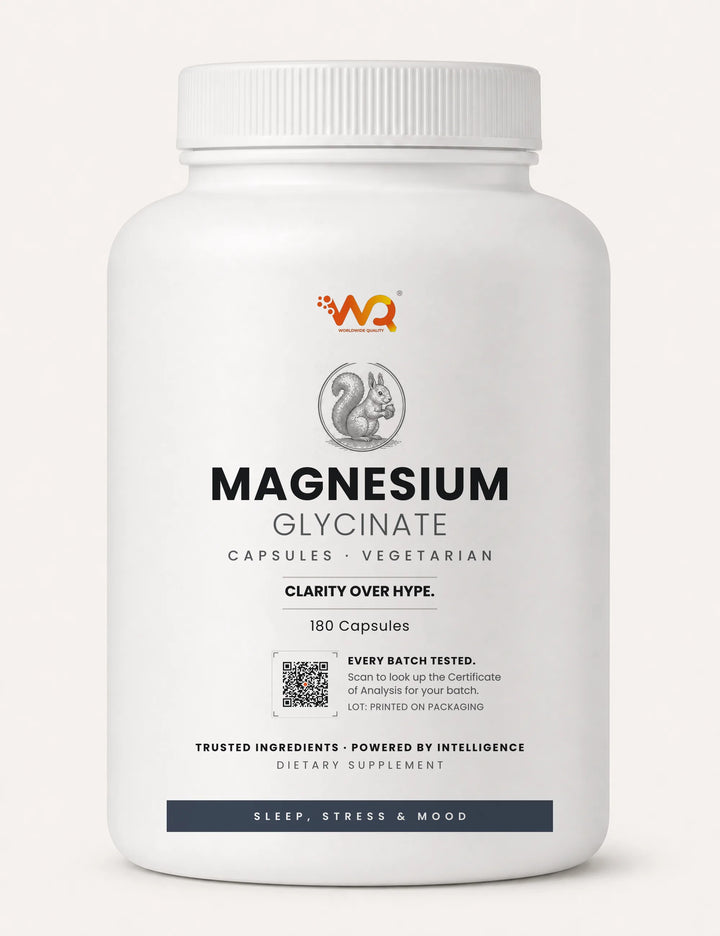
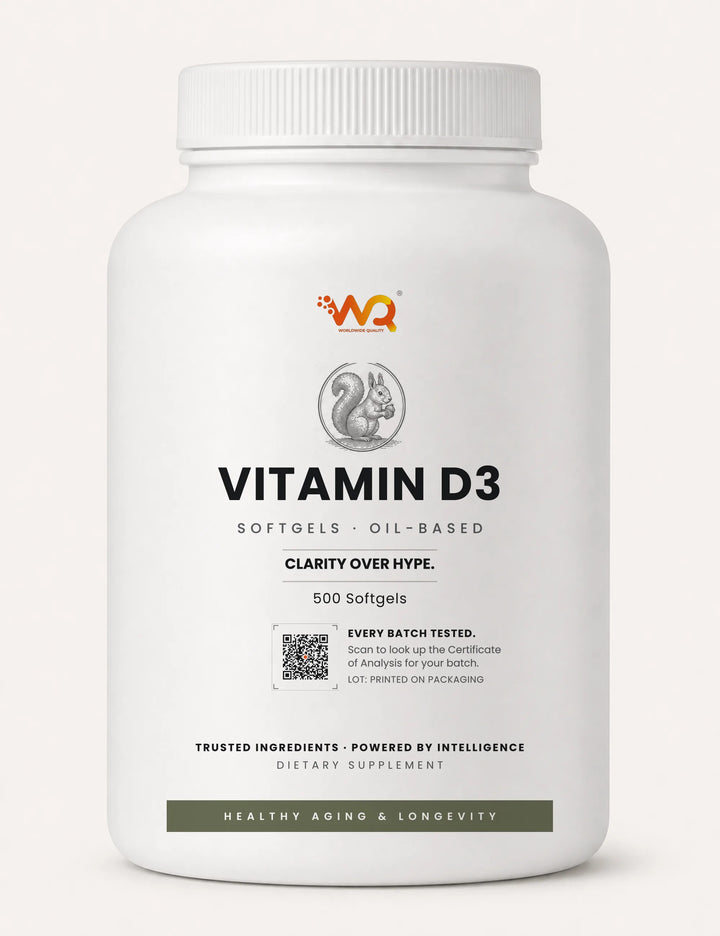
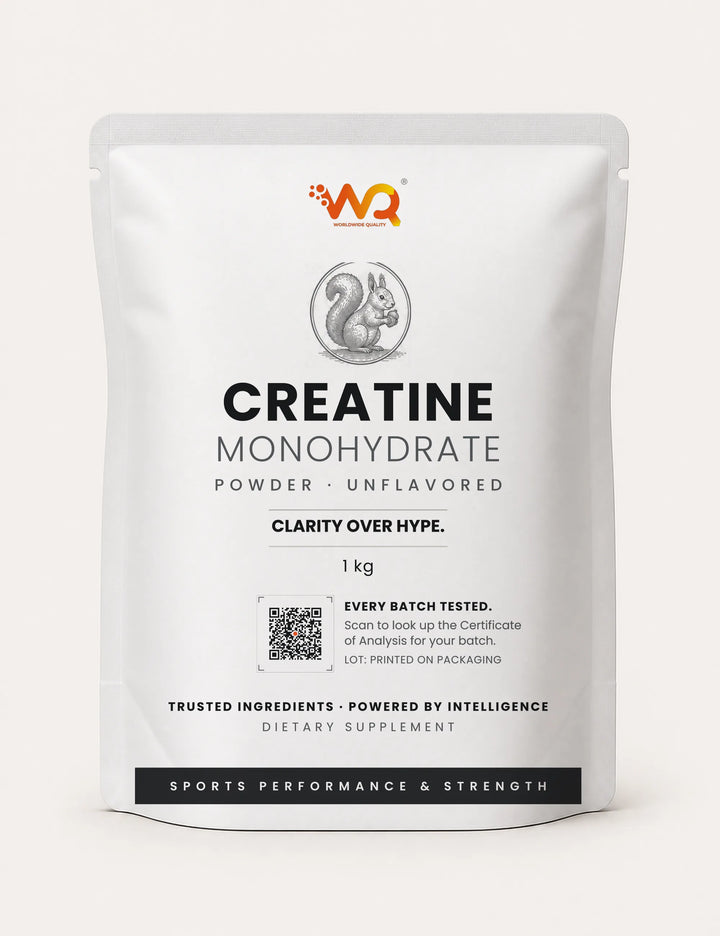
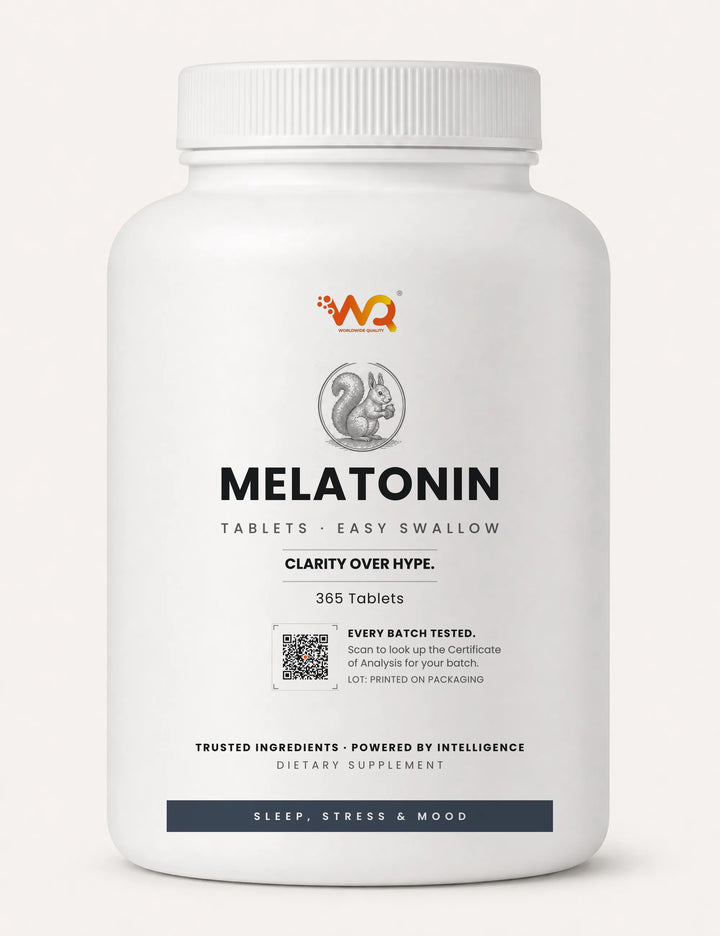
Search data consistently shows magnesium, vitamin D3, creatine, and melatonin among the highest-volume individual supplement searches in the US market, and increasingly consumers are searching for how to combine them rather than researching each in isolation. The scientific relationships between these ingredients are real in some cases and overstated in others, and getting this distinction right matters for both consumer trust and formulation accuracy.
Why These Four Ingredients Cluster Together in Consumer Behavior
Magnesium, vitamin D3, creatine, and melatonin serve different primary purposes — general mineral repletion, bone and immune support, athletic performance, and sleep, respectively — but they share a common consumer profile: health-conscious adults optimizing multiple areas of wellness simultaneously rather than addressing a single isolated concern. This behavioral pattern is reflected in the growing commercial trend toward multi-ingredient "stack" products and nighttime recovery formulations that combine several of these compounds in a single serving.
The Magnesium-Vitamin D3 Connection: A Real Mechanistic Relationship
Unlike some ingredient pairings that are marketed together primarily for convenience, magnesium and vitamin D3 have a genuine, well-documented biochemical relationship. Magnesium functions as a required cofactor for several of the enzymes involved in vitamin D metabolism, including the hepatic and renal hydroxylation steps that convert vitamin D into its active hormonal form . This means that in a magnesium-insufficient individual, vitamin D supplementation may produce a blunted response, since the enzymatic machinery needed to activate it is itself magnesium-dependent. This is a scientifically grounded rationale for co-formulation, though it is important to note that direct randomized trials testing combined D3-plus-magnesium supplementation against D3 alone, specifically measuring whether magnesium co-supplementation improves vitamin D response in real-world dosing, are less extensive than the individual ingredient literature for either compound alone.
Creatine and Sleep: An Emerging but Preliminary Area
The relationship between creatine and sleep quality is a more recent and less settled area of research than the magnesium-vitamin D3 relationship. Some research has found that creatine supplementation produces measurable cognitive benefits specifically under conditions of high cognitive load, including sleep deprivation . This is sometimes cited in marketing as evidence that creatine "supports" sleep-related cognitive function, but the more accurate framing based on the actual research is that creatine may help mitigate some cognitive consequences of poor sleep, rather than directly improving sleep quality or duration itself. These are meaningfully different claims, and content or product marketing should not blur the distinction between creatine's compensatory cognitive effect during sleep deprivation and an actual sleep-promoting mechanism, which the current evidence does not support.
Melatonin and Magnesium: A Common but Under-Substantiated Pairing
Melatonin and magnesium are frequently combined in commercial sleep formulations, based on magnesium's separately documented role in neuromuscular relaxation and its involvement in regulating GABA receptor activity, a neurotransmitter pathway relevant to sleep onset. This is a plausible mechanistic rationale, but as with the magnesium-vitamin D3 pairing, the melatonin dose-response meta-analysis that established the 4 mg peak-effect and three-hour pre-bedtime timing protocol evaluated melatonin as a standalone intervention, not in combination with magnesium . Brands combining the two ingredients should market the pairing as a reasonable, mechanistically supported formulation choice rather than implying the combination has been shown in trials to outperform melatonin alone, since that specific comparative claim is not yet supported by dedicated combination trial data.
Timing Considerations When Stacking Multiple Supplements
Each of these four ingredients has a distinct optimal timing window based on its individual research, and combining them into a single serving is not always the most evidence-aligned approach. Melatonin's dose-response research specifically supports administration roughly three hours before desired bedtime for optimal sleep-onset effect , while magnesium's absorption kinetics suggest splitting doses across the day, with an evening dose being reasonable for its calming effect but not necessarily requiring the same precise three-hour pre-bed timing that melatonin's own research supports . Creatine's research shows benefit as a saturation-based supplement where consistent daily total intake matters more than precise timing relative to exercise or sleep for most outcomes . Vitamin D3, being fat-soluble, is best absorbed when taken with a meal containing dietary fat, making it more suited to daytime dosing than evening dosing in most formulation strategies .
A Practical Timing Framework
| Ingredient | Evidence-supported timing | Rationale |
|---|---|---|
| Vitamin D3 | With a fat-containing meal, daytime | Fat-soluble; absorption enhanced by dietary fat |
| Magnesium | Split across 2 doses, one can be evening | Divided dosing improves retention; evening dose supports relaxation |
| Creatine | Daily consistency more important than exact timing | Effect depends on muscle saturation over time |
| Melatonin | ~3 hours before target bedtime | Dose-response meta-analysis found this timing optimized sleep onset |
Where Formulation Trends Outpace the Evidence
The broader "stacking" trend in the supplement industry has moved faster than the comparative research supporting specific combinations. Most of the mechanistic rationale behind popular stacks — like magnesium-melatonin for sleep, or magnesium-vitamin D3 for bone and immune support — is genuinely grounded in individual ingredient biochemistry, but the step from "these two ingredients have complementary mechanisms" to "this specific combination has been clinically shown to outperform either ingredient alone" is a claim that requires its own dedicated trial evidence, which is often not yet available for many popular commercial combination products .
Guidance for Nutraceutical Brands Building Combination Products
Brands developing multi-ingredient formulations in this space are best served by a two-tier claims strategy: state the individually well-supported claim for each ingredient (e.g., magnesium glycinate's documented tolerability advantage, vitamin D3's documented potency advantage over D2, melatonin's dose-response-optimized 4 mg timing) using the strongest available citation for that specific ingredient, while framing the co-formulation rationale as a scientifically plausible synergy rather than an independently proven combined effect, unless dedicated combination-product trial data actually exists to support that stronger claim . This approach is both more defensible under FTC substantiation standards and, increasingly, more persuasive to a health-literate consumer base that has grown skeptical of overreaching "everything works better together" marketing language.
Final Thoughts
The consumer trend toward supplement stacking reflects a genuine desire for more comprehensive, efficient wellness routines, and several of the most popular combinations — magnesium with vitamin D3, magnesium with melatonin — have real biochemical rationale supporting their pairing . The most credible path forward for brands in this space is precision: citing the specific research behind each individual ingredient's claims, being transparent about where combination-specific evidence does and does not yet exist, and building product formulations around dosing and timing protocols that the individual ingredient research actually supports, rather than defaulting to convenience-driven single-serving combinations that may not align with each ingredient's own optimal use pattern .
Case Study: The "Nighttime Recovery" Formulation Trend
A specific commercial trend worth examining is the "nighttime recovery" or "sleep and recovery" category, which typically combines magnesium, melatonin, and sometimes a small dose of an adaptogen like ashwagandha into a single evening serving marketed to both athletes and general wellness consumers. This format has grown rapidly in the US market, and its core rationale — combining a mineral associated with relaxation, a circadian sleep signal, and a stress-modulating botanical — is directionally consistent with the individual research on each ingredient. However, formulators should be cautious about serving size design in these products: because melatonin's dose-response research identifies 4 mg as a peak-effect dose and recommends administration roughly three hours before bedtime , while magnesium is most effective when its daily total is split rather than delivered in one large evening dose , a single "take one serving before bed" product design may not actually align with the timing protocol each ingredient's own research supports. Brands willing to build slightly more sophisticated two-part dosing instructions (an earlier magnesium-only dose, followed by a later melatonin-focused dose closer to bedtime) would be more precisely aligned with the underlying pharmacokinetic data, even if it sacrifices some of the single-serving convenience that drives this product category's commercial appeal.
Consumer Education as a Competitive Advantage
Across all four ingredients discussed in this stacking analysis, a consistent theme emerges: the individual ingredient research is often more specific, more conditional, and more nuanced than the summary claims used in most commercial marketing. Vitamin D3's potency advantage over D2 is real but most pronounced in bolus dosing rather than daily maintenance dosing . Melatonin's optimal dose is lower than many commercial products assume . Magnesium's absorption advantages from organic salts are most pronounced in populations with impaired gut function . Creatine's well-established benefits are specifically tied to the monohydrate form, not creatine broadly . A brand that builds its consumer education content and product formulation decisions around these specific nuances, rather than the broader undifferentiated category claims, is positioned to build meaningfully more durable trust and defensibility in a supplement market where consumer research literacy continues to grow year over year.
Regulatory Considerations for Multi-Ingredient Combination Products
Combination products carry a specific regulatory consideration that single-ingredient supplements do not: each individual ingredient's dosing must be clearly disclosed on the supplement facts panel, and any structure-function claim made about the combined product should be substantiated either by the individual ingredient evidence for each claim made, or by dedicated trial data on the specific combination if a claim implies the combination itself produces a distinct or enhanced effect. This is a meaningful compliance distinction that brands entering the multi-ingredient stacking space should build into their claims review process from the outset, rather than retrofitting compliance review after a product concept and marketing narrative have already been finalized.
Cost Efficiency Considerations for Consumers
From a pure consumer economics standpoint, combination products are not always more cost-effective than purchasing individual ingredients separately, despite convenience-driven marketing that often implies otherwise. A consumer specifically wanting the evidence-supported 4 mg melatonin dose with three-hour pre-bedtime timing, alongside a separately-timed magnesium dose, may find that purchasing standalone melatonin and standalone magnesium products, dosed according to each ingredient's own optimal timing protocol, produces better-aligned outcomes than a single fixed-ratio combination product designed primarily around manufacturing and packaging convenience rather than pharmacokinetic optimization . This is a legitimate, honest point for consumer education content, even though it runs somewhat against the commercial incentive to promote higher-margin combination products.
Emerging Research Areas Worth Monitoring
Several of the ingredient interactions discussed in this analysis remain active areas of ongoing research rather than settled science, and brands producing long-term content strategies in this space should build in mechanisms to revisit and update claims as new combination-specific trial data emerges. The magnesium-vitamin D cofactor relationship, while mechanistically well established, would benefit from more dedicated randomized trials specifically measuring combined supplementation outcomes in magnesium-insufficient populations . Similarly, creatine's cognitive benefits under sleep-deprived conditions represent a growing but still-developing research area that may eventually support more specific combination claims with sleep-support ingredients, though the current evidence does not yet support marketing creatine as a direct sleep aid .
Final Recommendations for Brand Strategy
The supplement stacking trend is likely to continue growing given broader consumer interest in comprehensive, efficient wellness routines, and brands that engage with this trend most successfully will be those that resist the temptation to imply proven synergy where only individual-ingredient evidence and plausible mechanistic rationale currently exist . A content and product strategy built on this level of precision — citing specific studies for specific claims, distinguishing mechanistic plausibility from proven combined efficacy, and aligning dosing and timing guidance with each ingredient's own best-supported protocol — represents both the most scientifically honest and, increasingly, the most commercially differentiated path forward in an oversaturated supplement stacking market.