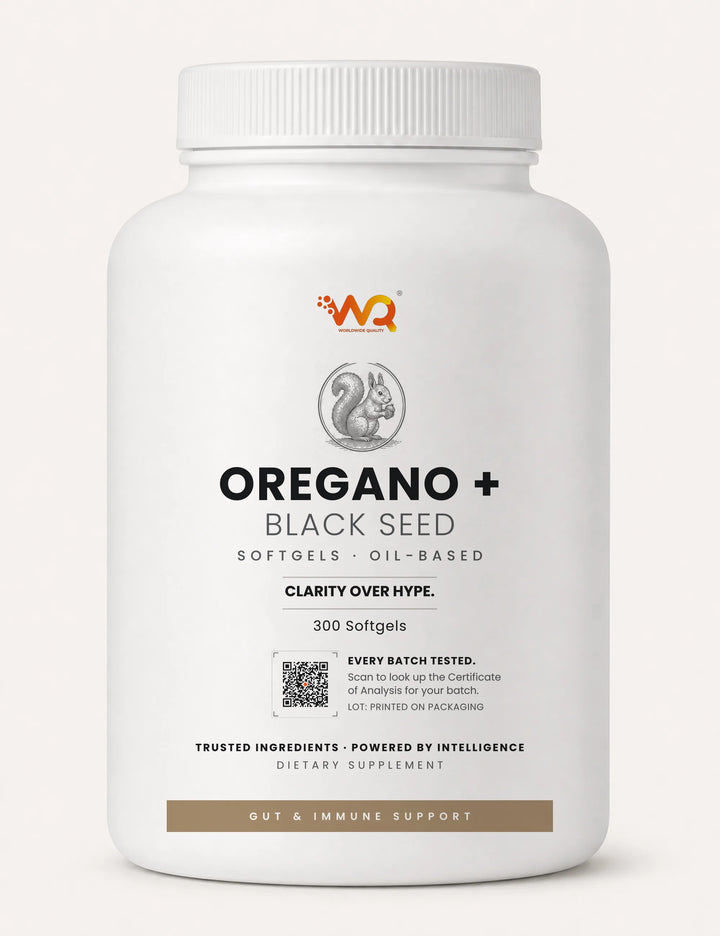
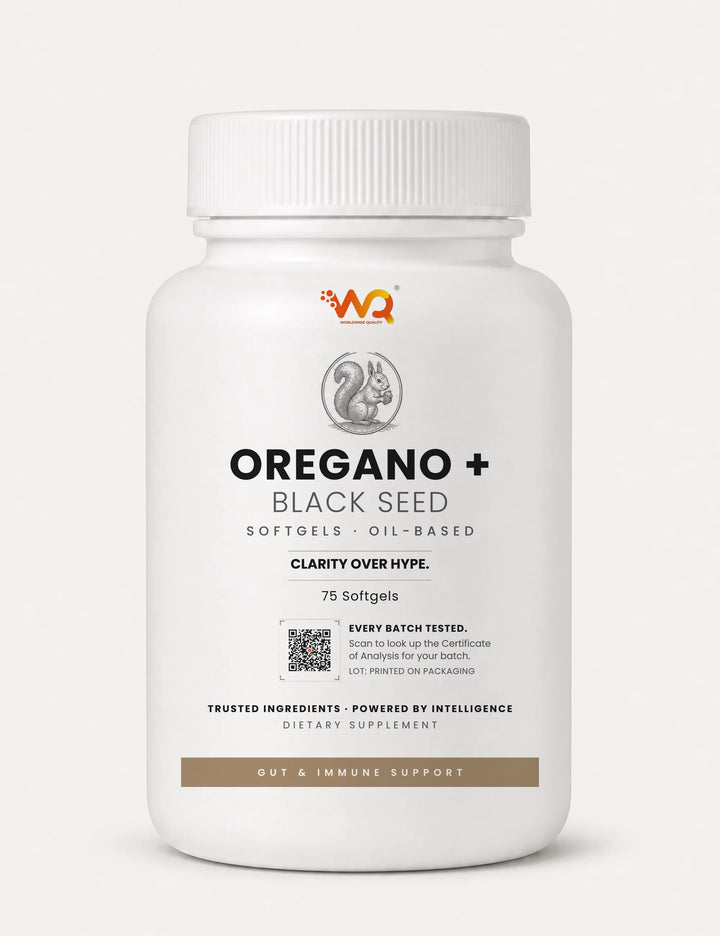
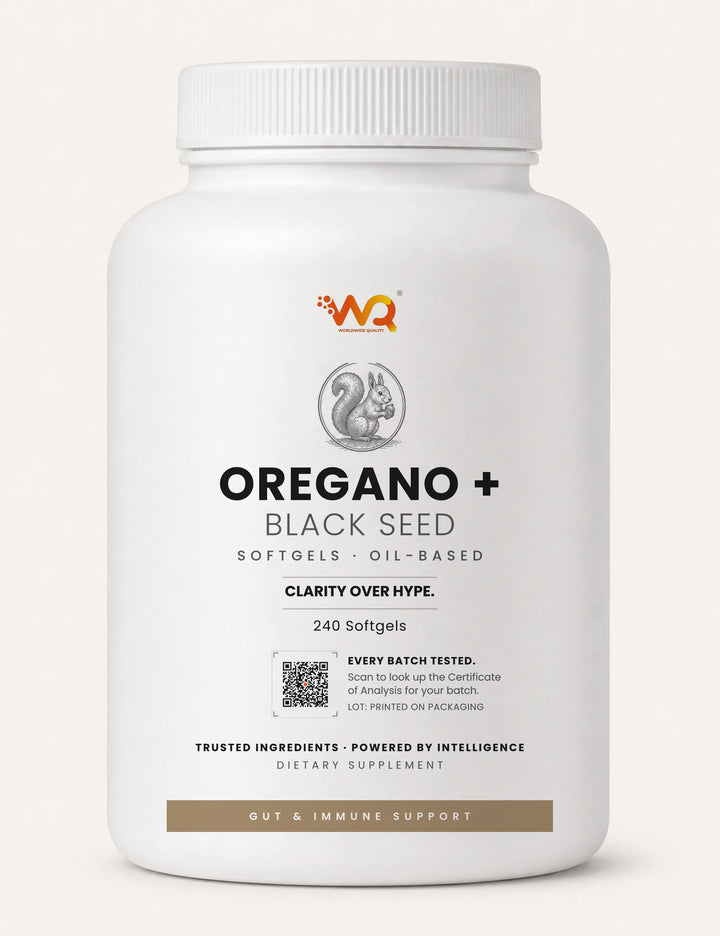
Black seed oil, derived from Nigella sativa, has built a growing supplement following on the strength of its primary bioactive compound, thymoquinone. Unlike some trending botanicals, black seed oil has a genuinely substantial body of clinical trial research behind it — though the quality of commercial products varies dramatically in ways most consumers cannot detect from the label alone.
A Long History, Increasingly Backed by Modern Trials
Nigella sativa, commonly called black seed, black cumin, or kalonji, is an annual herb in the Ranunculaceae family with centuries of traditional use across the Middle East, South Asia, and North Africa . What distinguishes black seed oil from many other traditional botanicals now entering Western supplement markets is the volume of controlled research already conducted on both the whole seed oil and its key active compound. A 2017 review in the Journal of Pharmacopuncture systematically searched PubMed-Medline, Scopus, and Web of Science for randomized controlled trials investigating Nigella sativa and thymoquinone, and found sufficiently developed evidence for hypoglycemic (blood-sugar-lowering), hypolipidemic (cholesterol-lowering), and bronchodilatory effects to support advancing toward further clinical trials or drug development specifically .
What the Research Actually Shows
A comprehensive 2025 review in the Journal of Medicinal Food detailed thymoquinone's documented pharmacological properties, which span antioxidant, antimicrobial, anti-inflammatory, analgesic, immunomodulatory, antidiabetic, neuroprotective, hepatoprotective, renoprotective, and bronchodilatory activity across the accumulated animal and human research . A separate 2019 review focusing specifically on respiratory and allergic conditions found supportive evidence for Nigella sativa's use in asthma management, building on its documented bronchodilatory mechanism .
It's important to be precise about the strength of this evidence base by outcome. The 2017 clinical trial review explicitly distinguished between effects that are "sufficiently studied and sufficiently understood" — the hypoglycemic, hypolipidemic, and bronchodilatory effects — and other documented properties like antimicrobial, anti-nociceptive, and anti-epileptic effects that have been observed but require further clinical and animal study before being considered well established . This is a more nuanced and more scientifically honest framing than the blanket "works for everything" marketing language that frequently surrounds black seed oil in the consumer supplement space.
Safety Profile
The 2017 review notably concluded that black seed's side effects "appear not to be serious," which is part of why it has continued to be studied in ongoing clinical trials rather than being sidelined due to safety concerns . A 2022 phase I clinical trial specifically evaluated the safety of thymoquinone as an isolated compound, reflecting the ingredient's progression toward more rigorous, pharmaceutical-grade clinical evaluation rather than remaining solely in traditional-medicine or observational research .
The Overlooked Product Quality Problem
Perhaps the most actionable finding for anyone formulating or purchasing black seed oil products comes from a 2022 study published in Nutrients that directly analyzed thymoquinone content across commercial products . Researchers tested six black seed oils and five black seed oil-containing capsules using validated HPLC-UV methodology and found thymoquinone content varied enormously — from 3.08 to 809.4 mg per 100 grams across the tested products . That represents more than a 260-fold difference in active compound concentration between the weakest and strongest products tested, despite all of them being marketed simply as "black seed oil."
The same study calculated that a 4 mL daily dose of the highest-thymoquinone-content oil tested would deliver approximately 30 mg of thymoquinone, a dose the researchers characterized as unlikely to be harmful, and noted that a safe daily thymoquinone dosage based on the broader literature appears to be below 48.6 mg per adult . The researchers explicitly called for regulation of black seed products based on thymoquinone content, so that consumers could purchase supplements of known, standardized potency rather than guessing at actual active-ingredient content from a generic "black seed oil" label .
Why This Matters for Formulation
For a nutraceutical brand, this thymoquinone variability finding is directly actionable and represents a genuine competitive differentiation opportunity. A black seed oil product that discloses its actual thymoquinone content per serving, ideally verified through third-party HPLC testing, is positioned to credibly claim superiority over the large share of commercial products that make no such disclosure and may, per the 2022 study's findings, contain trace amounts of the active compound relative to premium products . This is a rare case in the supplement industry where a specific, verifiable, and defensible quality claim is directly supported by peer-reviewed testing methodology rather than relying on vague "premium" or "pure" marketing language.
Bioavailability Challenges
Despite its promising pharmacological profile, thymoquinone faces documented delivery challenges: it is lipophilic, sensitive to heat and light, and has low oral bioavailability combined with rapid elimination from the body, all of which have limited its clinical development as a standalone pharmaceutical compound . Researchers have specifically noted that novel delivery approaches — nanoparticle-based oral formulations, nasal spray delivery, and transdermal administration — may be necessary to fully realize thymoquinone's therapeutic potential, since standard oral oil delivery may not maximize the compound's systemic availability . This is a meaningful caveat for marketing copy: standard black seed oil capsules, while a reasonable and traditional delivery method, may not represent the most bioavailability-optimized format available, and brands should avoid implying that oral oil delivery captures the full therapeutic potential demonstrated in more advanced delivery research.
Practical Buying and Formulation Guidance
| Consideration | What the research supports |
|---|---|
| Blood sugar support | Sufficiently studied hypoglycemic effect per clinical trial review |
| Cholesterol management | Sufficiently studied hypolipidemic effect |
| Respiratory/asthma support | Documented bronchodilatory effect, supportive evidence in allergic conditions |
| Safe daily thymoquinone dose | Below ~48.6 mg per adult based on literature review |
| Product potency variability | Up to 260-fold difference in thymoquinone content across commercial products |
| Bioavailability | Limited via standard oral oil; enhanced delivery methods in development |
Bottom Line
Black seed oil stands out among trending botanical supplements for having a genuinely substantial, multi-decade clinical trial literature behind several of its core claims, particularly for blood sugar, cholesterol, and respiratory support . The single most consequential and underused fact for both consumers and formulators is the enormous variability in actual thymoquinone content across commercial products documented in validated laboratory testing — a gap that transparent, third-party-tested formulations are well positioned to address directly .
Comparing Black Seed Oil to Other Anti-Inflammatory Botanicals
Black seed oil is frequently marketed alongside other trending anti-inflammatory botanicals like turmeric/curcumin and ashwagandha, and it is worth situating it accurately within that broader category. Unlike curcumin, which faces well-documented bioavailability limitations that have driven an entire sub-industry of enhanced-absorption formulations (piperine-added, liposomal, phytosome-based), thymoquinone's bioavailability challenges have received comparatively less commercial formulation attention despite facing a structurally similar problem — low oral bioavailability due to poor water solubility and rapid systemic clearance . This represents both a scientific parallel worth acknowledging in comparative content and a potential formulation opportunity: brands that successfully adapt bioavailability-enhancement techniques already proven with curcumin (such as phytosome or nanoemulsion delivery) to a black seed oil or isolated thymoquinone product would be applying an established formulation science approach to an ingredient that has not yet seen the same level of delivery innovation in the commercial market.
Sourcing and Extraction Method Considerations
Beyond thymoquinone concentration, extraction method also affects product quality in ways relevant to sourcing decisions. Cold-pressed extraction is generally considered to better preserve heat-sensitive bioactive compounds like thymoquinone compared to high-heat extraction methods, consistent with thymoquinone's documented heat sensitivity noted in the pharmacological literature . Seed origin also affects yield and composition — geographical growing conditions and Nigella sativa variety both influence the essential oil profile and thymoquinone yield, according to reviews of extraction methodology . These details, while more technical than most consumer-facing content addresses, are legitimate, source-backed differentiators for a brand sourcing raw material with documented extraction and origin standards.
Regulatory Positioning in the US Market
Black seed oil is sold in the US exclusively as a dietary supplement, and any structure-function claims made about it — supporting healthy blood sugar levels already within normal range, supporting respiratory comfort, and similar phrasing — must comply with standard DSHEA framework requirements, avoiding disease-treatment language that would trigger drug-classification concerns. Given the meaningful clinical trial base behind specific outcomes like blood glucose and lipid support, black seed oil is a stronger candidate than many botanicals for well-substantiated structure-function claims, provided the language stays within permitted supplement-marketing boundaries and does not imply diagnosis, treatment, or cure of any disease state .
Closing Perspective
Black seed oil occupies an unusually favorable position among trending botanical ingredients: a genuine, multi-decade clinical research base supports several of its core claims, while a well-documented product quality gap in the current commercial market creates a clear, evidence-based differentiation path for brands willing to test and disclose actual thymoquinone content . This combination of real substantiation and real product-quality opportunity is relatively rare in the current supplement landscape and represents a strong foundation for both compliant marketing claims and genuine product differentiation.
Antimicrobial and Anti-Inflammatory Research Detail
Beyond the well-established blood sugar, cholesterol, and respiratory findings, black seed oil's antimicrobial properties have received substantial research attention, with the 2025 Journal of Medicinal Food review specifically highlighting antimicrobial activity as one of several pharmacological properties documented across the accumulated thymoquinone literature . The same review noted particular research interest in thymoquinone's neuroprotective and anti-inflammatory activity in the context of neurodegenerative disease and, more recently, COVID-19-related research, reflecting how an ingredient with a centuries-old traditional use base has become a subject of active contemporary pharmacological investigation . This breadth of ongoing research interest, spanning from metabolic to infectious disease applications, is a distinguishing feature relative to many other trending botanical ingredients with a comparatively narrower or more recent research base.
Dosing Guidance Based on Current Evidence
Given the documented safe daily thymoquinone threshold of approximately 48.6 mg identified in the literature review underlying the 2022 commercial product analysis, and the finding that even a well-formulated 4 mL daily oil dose delivers roughly 30 mg of thymoquinone from the highest-potency product tested, consumers should be aware that many commercial black seed oil products, particularly lower-potency ones, may require considerably larger doses to approach even the lower end of studied therapeutic ranges . This is directly relevant to setting accurate consumer expectations: a product with minimal actual thymoquinone content, even if labeled simply as "black seed oil," is unlikely to replicate the effects documented in trials that used substantially higher-thymoquinone formulations or isolated thymoquinone compound doses.
Traditional Use Context and Modern Validation
Part of black seed oil's appeal in current supplement marketing draws on its documented centuries-long traditional use across Middle Eastern, South Asian, and North African medicine systems, a context that adds historical credibility but should be clearly distinguished from modern clinical validation in content and marketing copy. The research reviewed in this article represents a genuine and growing modern scientific validation of several traditional use claims specifically — the hypoglycemic, hypolipidemic, and bronchodilatory effects in particular — which is a stronger evidentiary position than exists for many botanicals whose traditional use has not been similarly validated through controlled human trials . Content that clearly separates "traditionally used for" from "clinically shown to" framing, while noting where the two converge based on actual trial data, represents the more accurate and ultimately more persuasive approach for a research-literate audience.
Conclusion Reiterated
Black seed oil's combination of deep traditional use history and increasingly substantial modern clinical trial support for specific outcomes — particularly glycemic, lipid, and respiratory effects — positions it well ahead of many newer botanical trends in terms of evidentiary maturity, while the well-documented thymoquinone content variability across commercial products remains the single most actionable quality and differentiation issue for brands and informed consumers alike .