Magnesium alone — separate from any specific salt form — is one of the highest-volume supplement search terms in the US market, and the reason is largely clinical: magnesium deficiency is common, frequently undiagnosed, and tied to a surprising range of everyday symptoms from muscle cramps to poor sleep.
An Essential Mineral With an Outsized Job Description
Magnesium is the fourth most abundant cation in the human body and the second most abundant intracellular cation after potassium, acting as a cofactor in more than 600 enzymatic reactions, most of which depend on ATP . It participates in macronutrient breakdown, oxidative phosphorylation, protein and DNA synthesis, neuromuscular excitability, and parathyroid hormone regulation, and it functions as a physiological antagonist to calcium at the cellular membrane level . The human body holds roughly 22 to 26 grams of magnesium, mostly stored in bone and soft tissue rather than circulating in blood, which is part of why standard serum magnesium tests can miss a true deficiency.
Why Deficiency Is More Common Than It Should Be
The European Food Safety Authority sets nutrient reference values around 300 mg for women and 350 mg for men daily , yet a substantial share of the population in industrialized countries falls short of these targets. Modern agricultural practices have reduced the magnesium content of cereal grains over recent decades, partly due to competition with potassium during plant nutrient uptake . On top of dietary shortfall, gastrointestinal disorders, certain medications, alcohol consumption, and chronic stress all increase magnesium loss or reduce absorption, compounding the dietary gap .
The Symptom Cluster That Drives Search Behavior
Search interest in magnesium spikes around a specific cluster of complaints: muscle cramps, restless sleep, tension headaches, and general fatigue. This pattern tracks with magnesium's documented role in neuromuscular signaling and its function as a natural calcium channel modulator, which affects vascular tone and muscle contraction . It is worth noting for content accuracy that while magnesium's mechanistic role in these processes is well established, robust randomized controlled trial evidence directly linking supplementation to symptom resolution varies significantly by outcome — sleep and cramps have more supportive data than, for example, general fatigue in non-deficient individuals.
Absorption Basics Every Buyer Should Understand
Most magnesium absorption occurs in the small intestine, primarily through paracellular transport in the distal jejunum and ileum, with absorption peaking around two to two-and-a-half hours after ingestion and reaching roughly 80% completion within six hours . Absorption efficiency is inversely related to dose size — taking one large dose is measurably less efficient, per unit absorbed, than splitting the same total amount across two or three smaller doses . This single detail is more actionable for most consumers than debating which magnesium salt to buy, since dosing pattern affects outcomes across every form.
Matching Form to Purpose
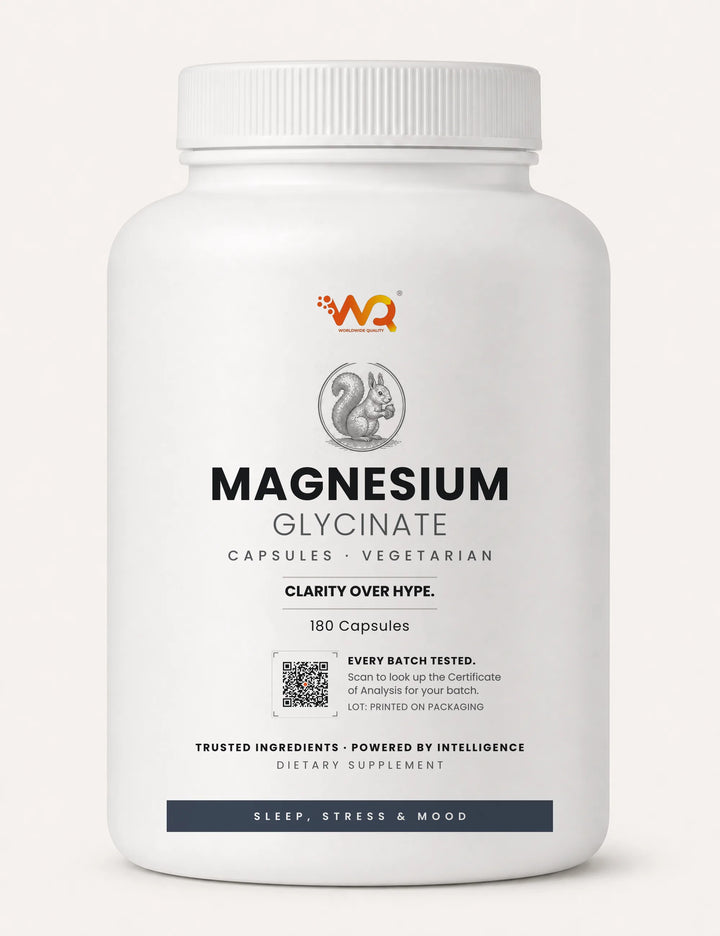
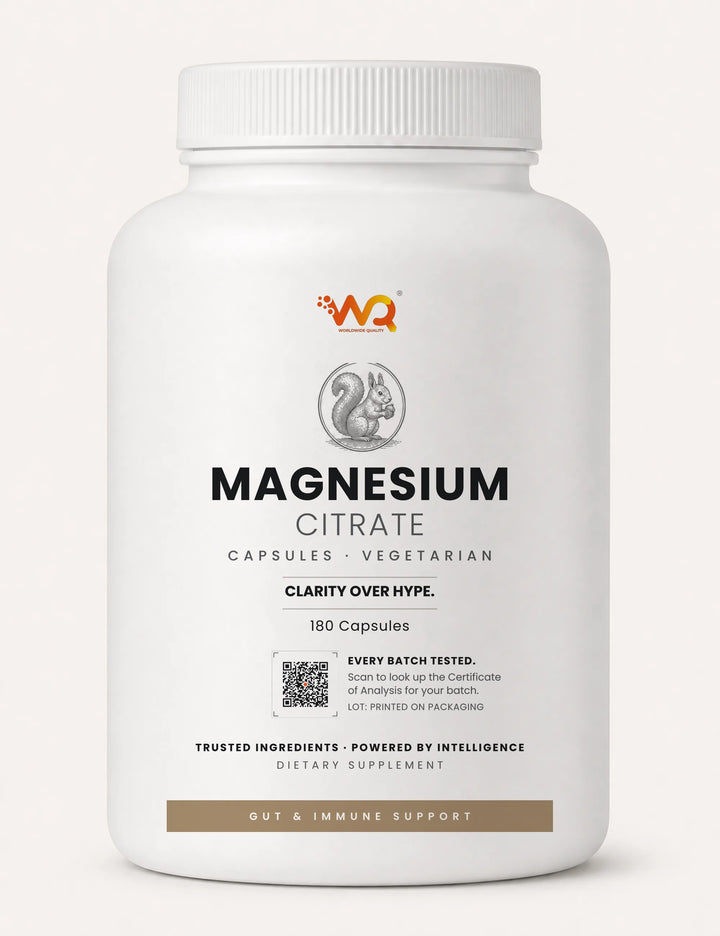
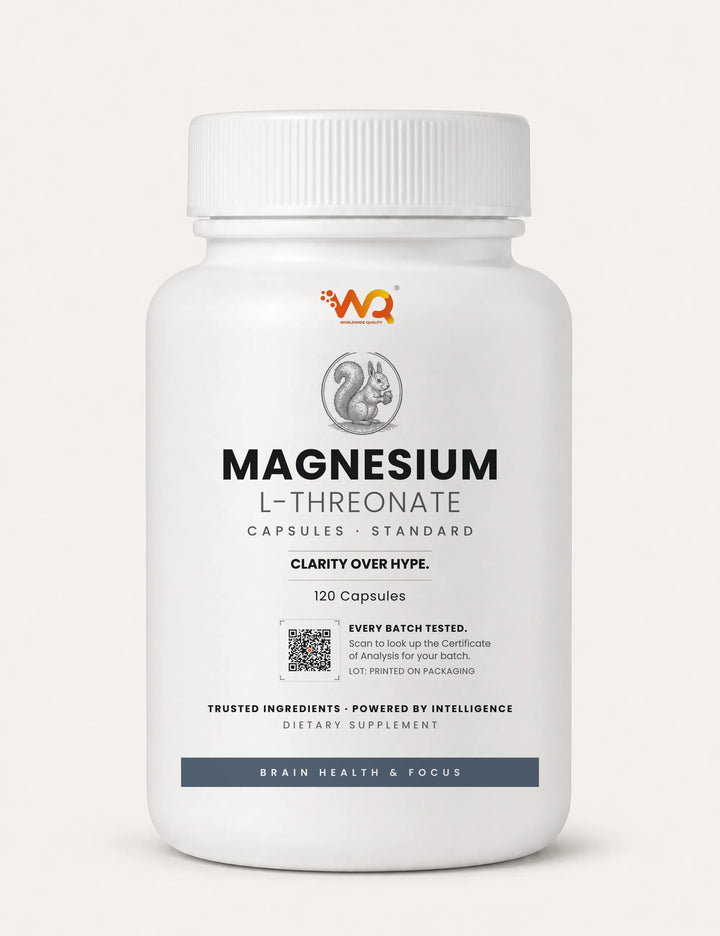
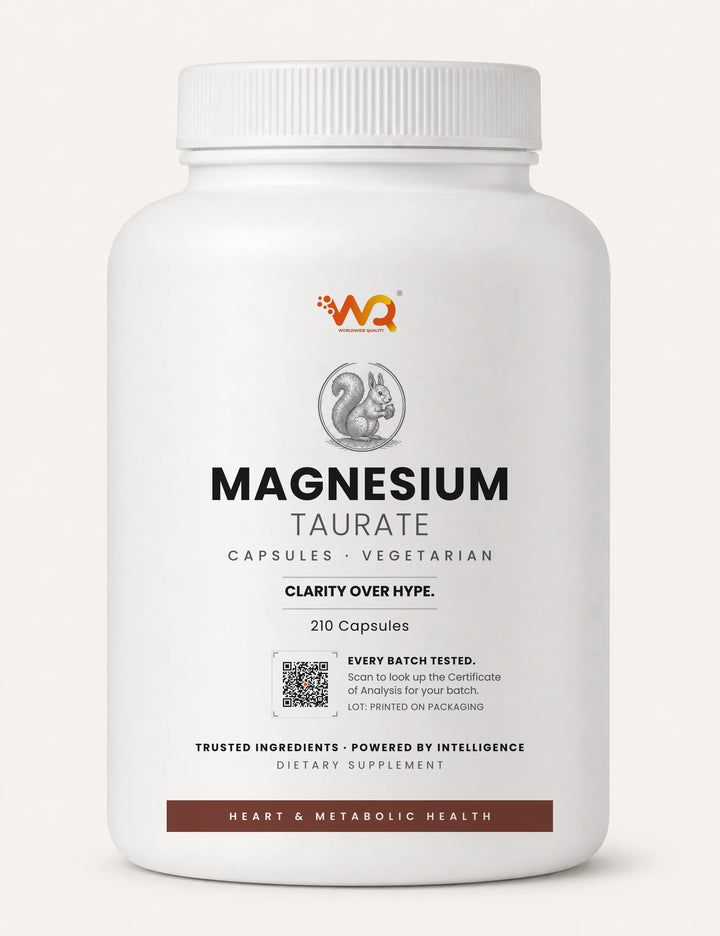
The dietary supplement market breaks magnesium down by carrier compound — oxide, citrate, glycinate, malate, taurate, chloride, sulfate, and L-threonate are among the most common — and each has a distinct absorption and use-case profile . Organic salts (glycinate, citrate, taurate, malate) consistently outperform inorganic salts (oxide, hydroxide) on bioavailability metrics across the available systematic review data, though the difference narrows as dose size increases . For readers researching "which magnesium should I take," the practical answer depends heavily on the goal: glycinate and taurate for general repletion and sleep support, citrate or oxide for constipation, and malate for exercise-related muscle support, based on the aggregate pattern in comparative reviews .
Populations at Higher Risk
Older adults face compounded risk: age-related declines in intestinal absorption efficiency and renal magnesium handling combine with a higher prevalence of chronic disease and polypharmacy, both of which increase magnesium loss . Athletes and physically active individuals lose magnesium through sweat during intense exertion, an exception to the otherwise minimal role of sweat in magnesium balance for the general population . People with gastrointestinal conditions that impair nutrient absorption — inflammatory bowel disease, celiac disease, or history of intestinal surgery — are also disproportionately represented in the population showing the largest measurable benefit from higher-bioavailability organic salts in clinical trial data .
Safety Ceiling and When to Be Cautious
Excess magnesium intake, particularly from supplements rather than food, can cause diarrhea, nausea, and abdominal cramping, and severe excess can lead to more serious cardiac and neurological effects, particularly in people with impaired kidney function . Clinical guidance specifically flags caution in patients with creatinine clearance below 20 mg/dL due to hypermagnesemia risk . For product content, this is a required safety disclosure, not an optional footnote — the FTC and FDA both scrutinize dietary supplement marketing that omits meaningful contraindication information.
What a Well-Formulated Magnesium Product Should Communicate
Given the search intent behind magnesium queries, the highest-value content and product copy should do three things: state the specific form used and why it was chosen for the target use case, disclose the elemental magnesium content per serving rather than just the total compound weight, and provide guidance on dosing timing rather than assuming once-daily convenience is optimal . This level of specificity distinguishes a credible nutraceutical brand from the generic "magnesium supports relaxation" copy that dominates lower-quality listings, and it directly serves the research-literate buyer segment that is increasingly common in this search category.
The Bigger Picture
Magnesium's search volume reflects a genuine, well-documented nutritional gap in the modern diet combined with a mineral whose deficiency symptoms are common but frequently misattributed to other causes . Brands that lead with mechanistic accuracy — explaining what magnesium does, which form matches which goal, and what dosing pattern the absorption science actually supports — are positioned to capture long-term trust in a category where most competing content recycles the same unsourced claims about "the best form of magnesium" without engaging with the underlying research.
Food Sources vs. Supplementation: Where the Real Gap Lies
Dietary magnesium is concentrated in foods that many Western diets underrepresent: leafy greens, legumes, nuts, seeds, whole grains, and some seafood. The decline in cereal grain magnesium content documented in agricultural research compounds an existing pattern where processed food consumption — which strips out magnesium-rich germ and bran layers during refining — has increased over the same period that whole-grain consumption has decreased . This dual pressure, rather than any single dramatic dietary change, is the more accurate explanation for widespread marginal magnesium insufficiency, and it is a more honest framing for content than implying magnesium deficiency is a novel modern epidemic driven by any one villain ingredient or practice.
Supplementation is reasonable and often necessary to close this gap, but it works best as a complement to, not a replacement for, magnesium-rich food sources. Whole foods also deliver magnesium alongside cofactors like potassium and fiber that support its physiological function, an interaction not replicated by an isolated capsule.
A Practical Comparison of Magnesium Forms by Goal
| Consumer goal | Best-supported form | Supporting rationale |
|---|---|---|
| General daily repletion | Glycinate, citrate, or taurate | Higher fractional absorption than inorganic salts across pooled review data |
| Sleep and relaxation support | Glycinate | Best tolerability profile in comparative trial data, minimal laxative effect |
| Occasional constipation | Oxide or citrate | Guideline-supported for this specific indication; poor absorption is therapeutically useful here |
| Exercise recovery / muscle support | Malate | Frequently used in sports nutrition formulations for perceived energy metabolism support |
| Cardiovascular-focused formulations | Taurate | Some reviews rank it among the most bioavailable organic salts |
Research Gaps Worth Acknowledging
Despite magnesium's long history of use, comparative head-to-head human trials directly pitting one organic salt against another under standardized conditions remain limited. The 2021 systematic review that screened 433 candidate studies down to just 14 that met methodological criteria is a useful reminder of how thin the rigorous evidence base actually is relative to how confidently many commercial claims are stated . Reviewers explicitly called for further studies comparing various salts under consistent testing conditions, and noted that results from animal models — where magnesium absorption occurs primarily in the cecum rather than the small intestine as in humans — do not always translate reliably to human physiology . Any brand citing animal-model data as direct evidence of human efficacy should disclose that limitation rather than presenting it as equivalent to human clinical evidence.
Final Considerations for Buyers
Choosing a magnesium supplement is less about finding a single "best" product and more about matching form, dose, and timing to a specific goal, while respecting the safety ceiling for total daily intake. The research consistently supports magnesium's centrality to metabolic and neuromuscular health, but it does not support the sweeping, undifferentiated marketing claims that dominate much of the online supplement content in this category . A more rigorous, source-transparent approach to magnesium content — one that names actual studies, notes their limitations, and matches recommendations to documented use cases — is both a better service to readers and a more defensible long-term SEO and compliance strategy for any nutraceutical brand operating in this space.